Geotechnical analysis and modelling

From field data to a reliable geotechnical model

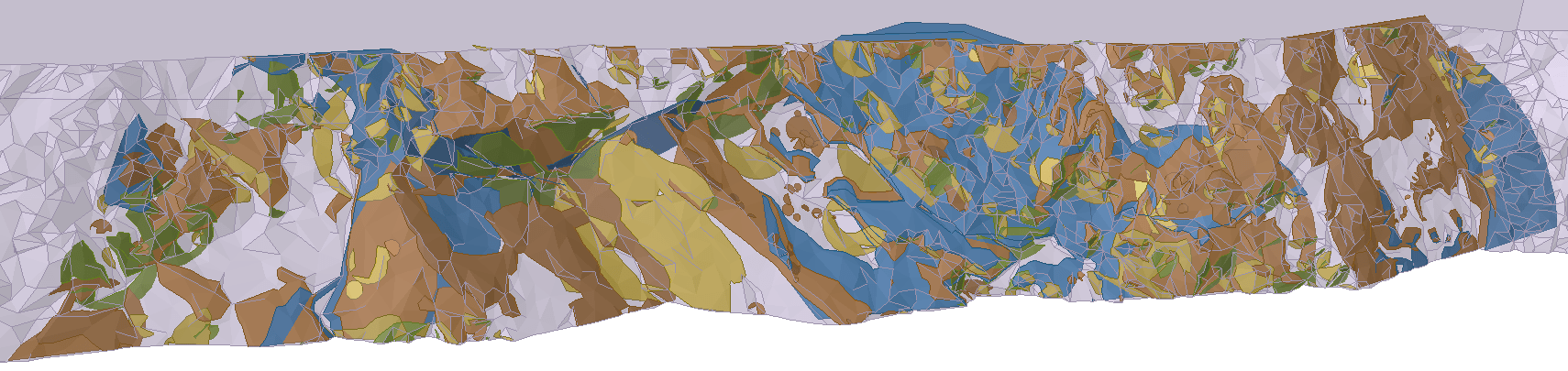
The collected data from boreholes, mapping, and 3D imaging gain their full value only when integrated into a well-defined geotechnical model, supported by appropriate analysis. Our role is to transform complex rock mass information into clear, reliable conclusions – assessing whether a structure is stable and defining the conditions under which stability is ensured.

Types of analyses we do

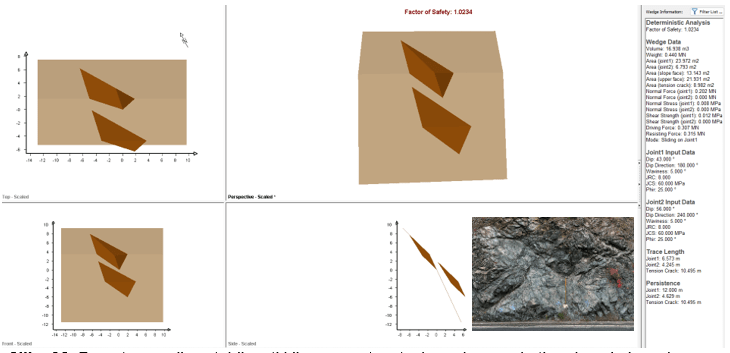
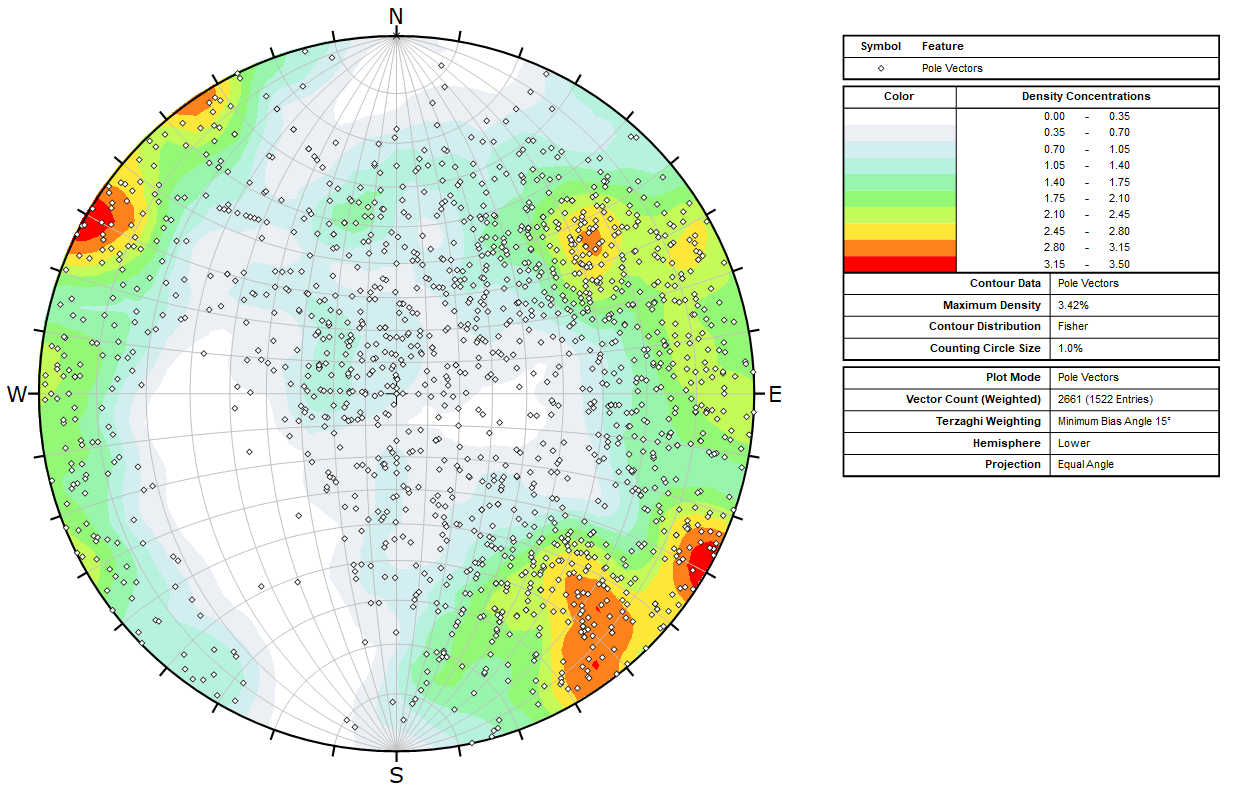
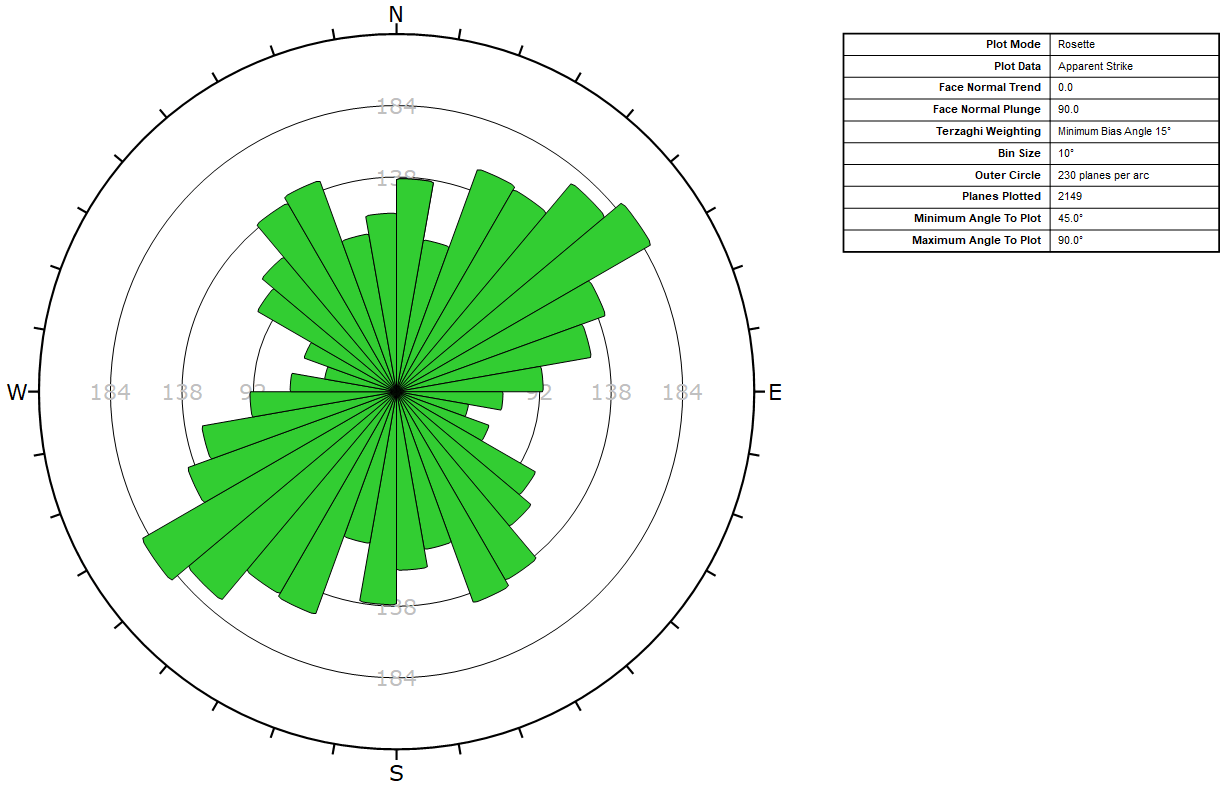
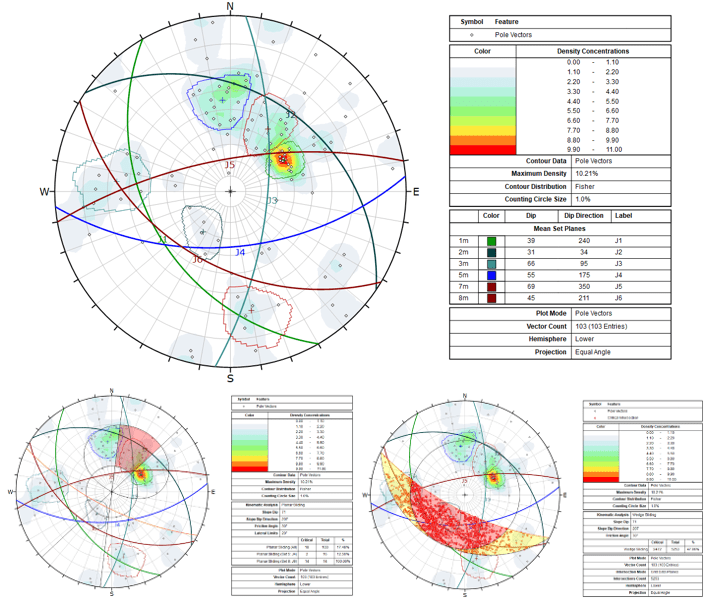
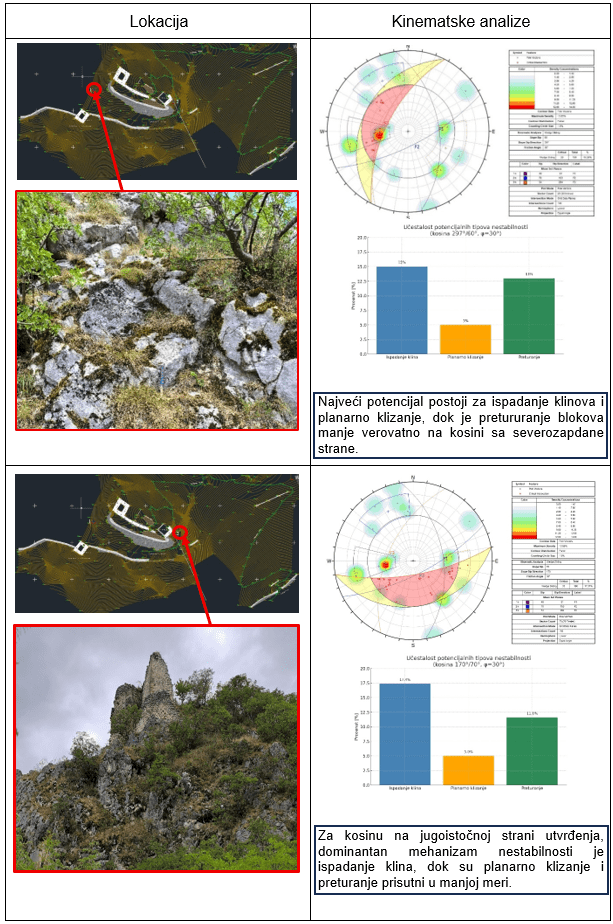
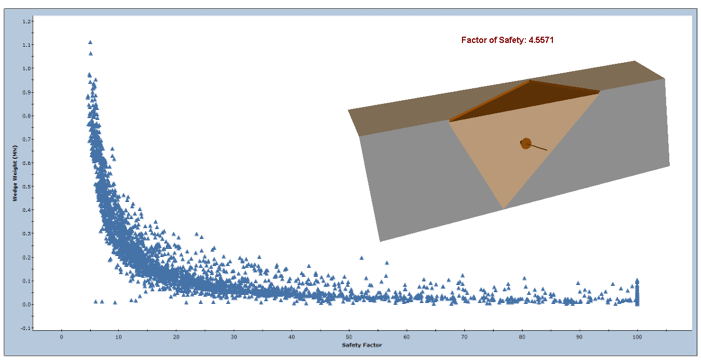
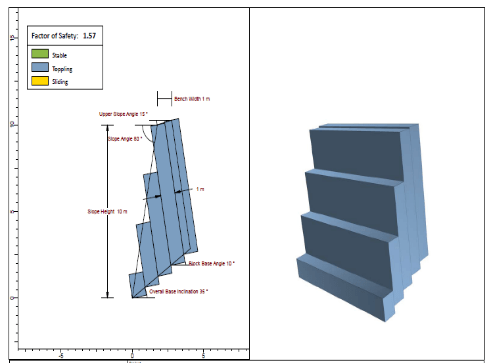
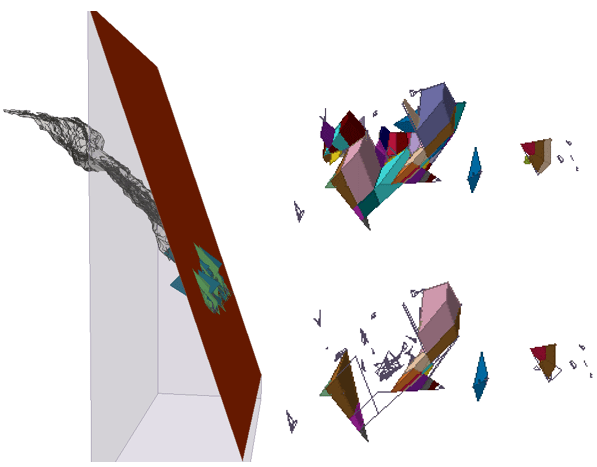
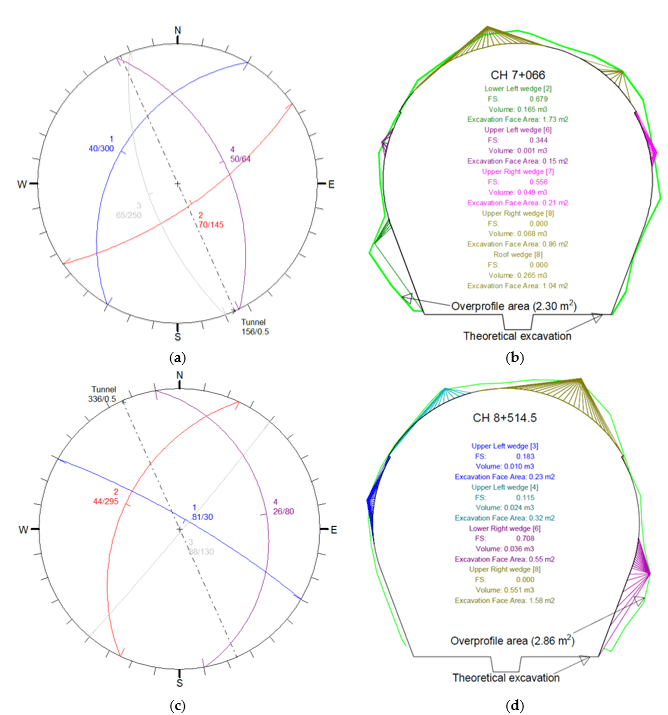
Kinematic and structural stability analyses

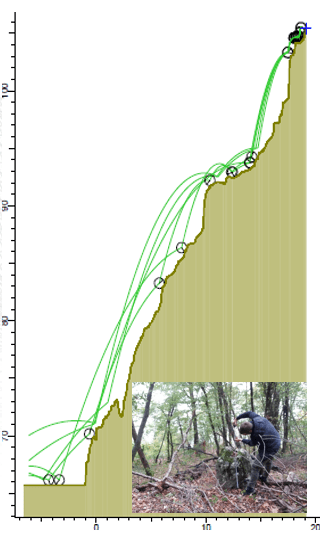
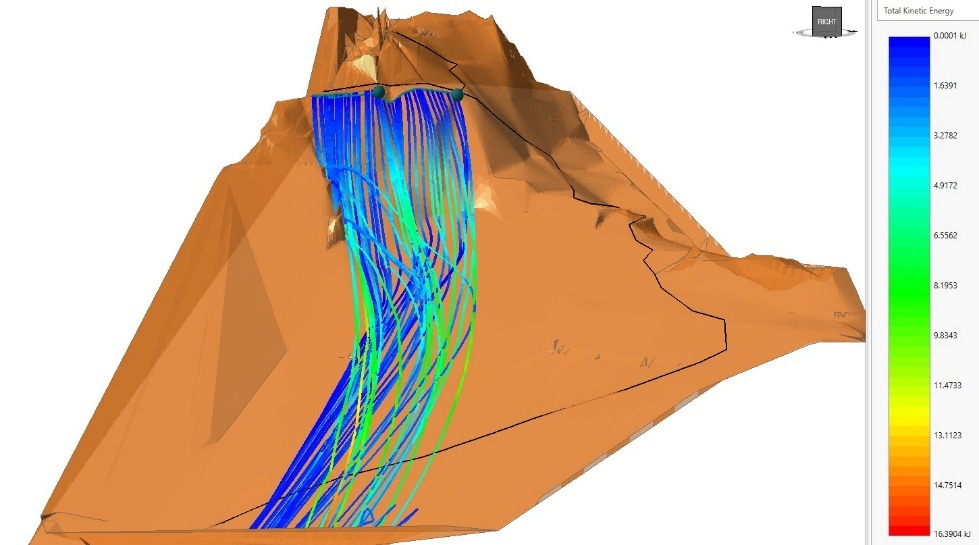
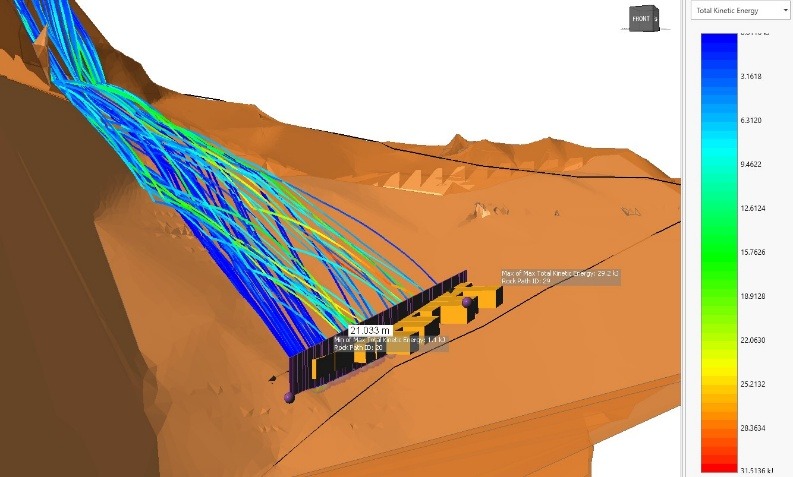
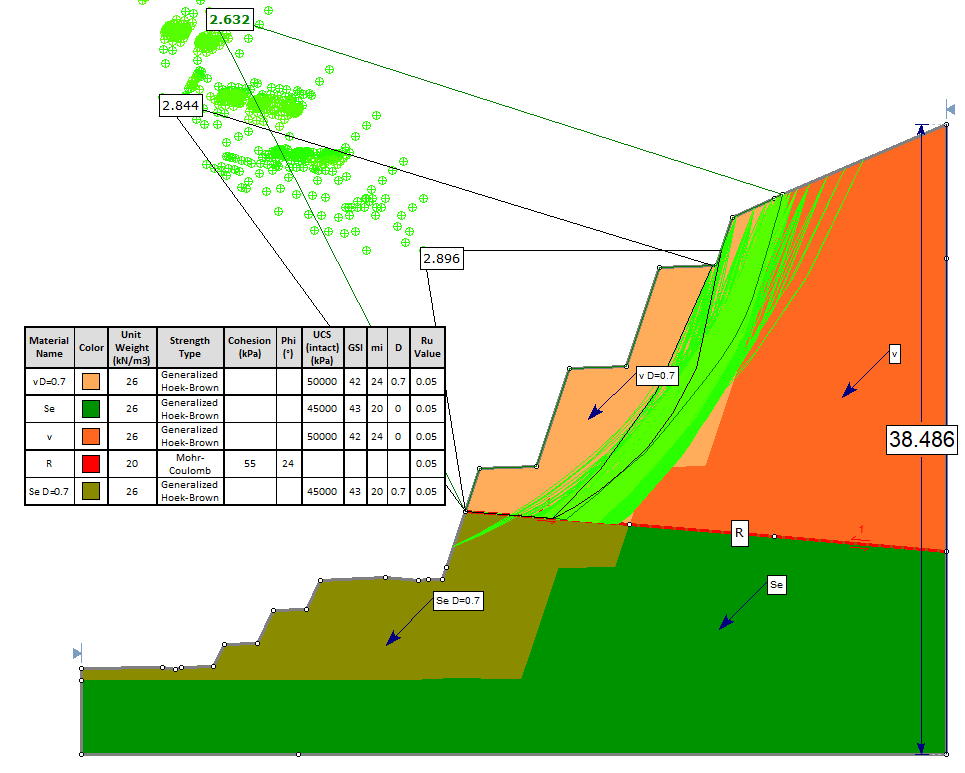
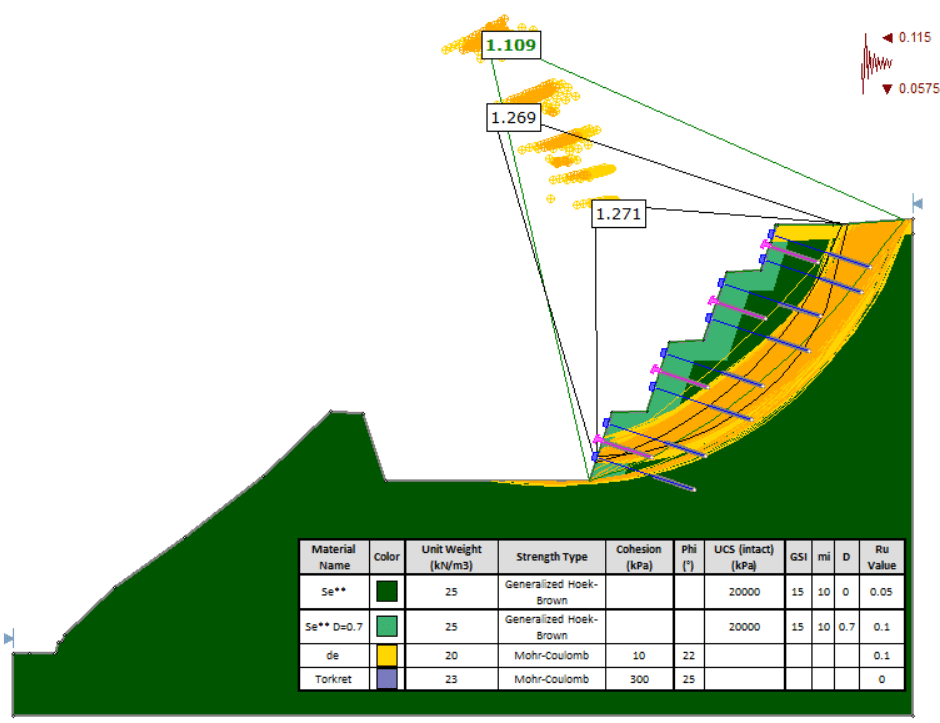
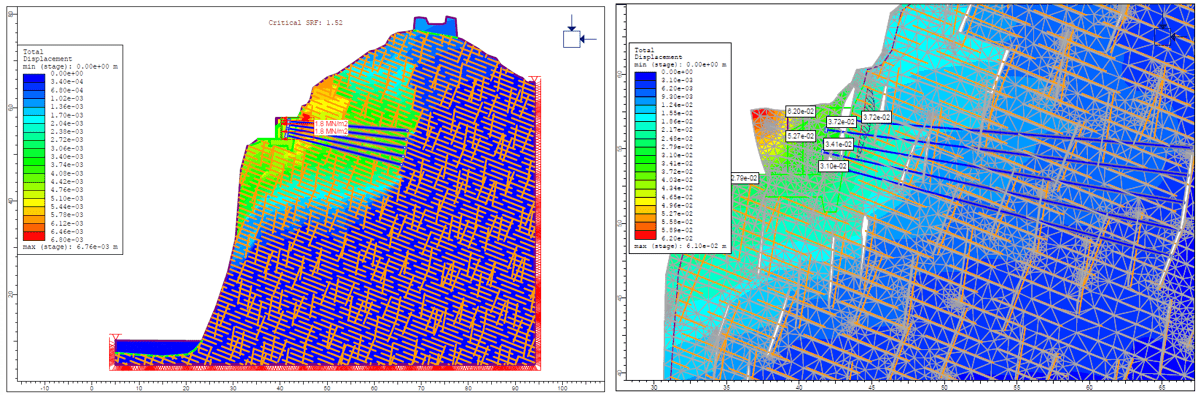
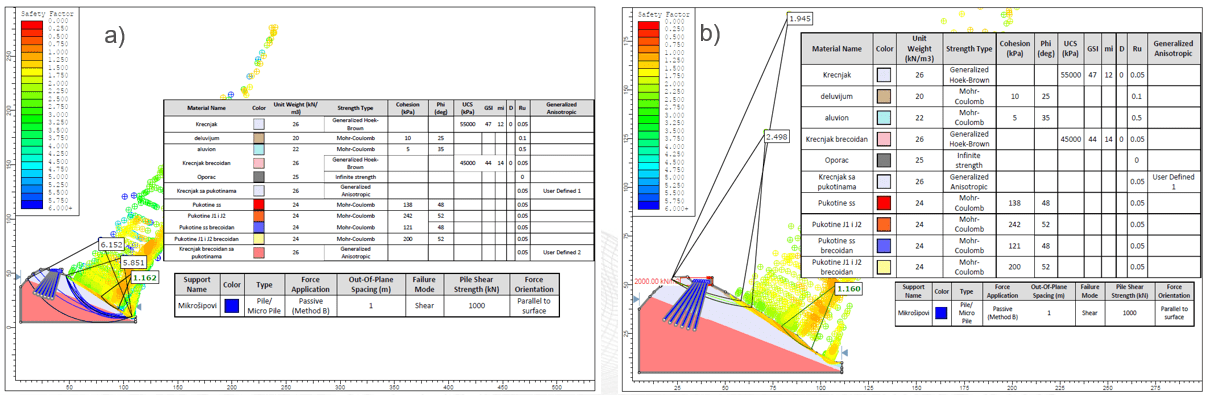
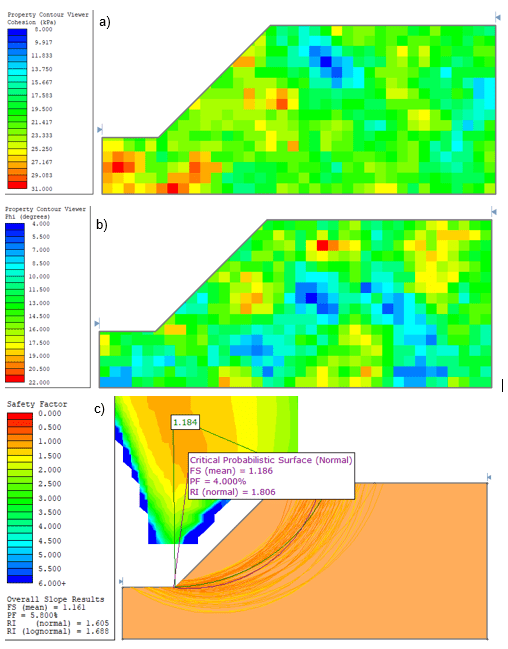
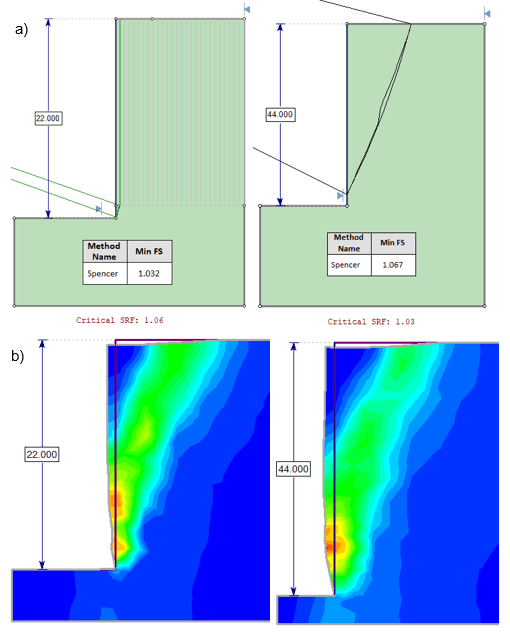
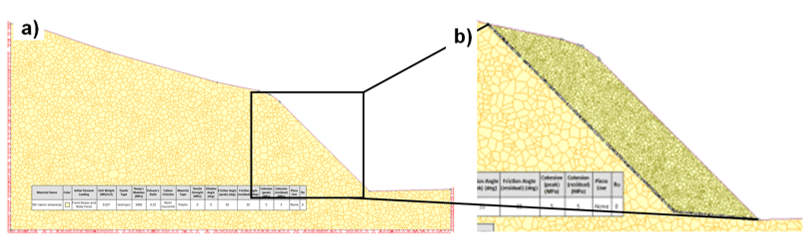
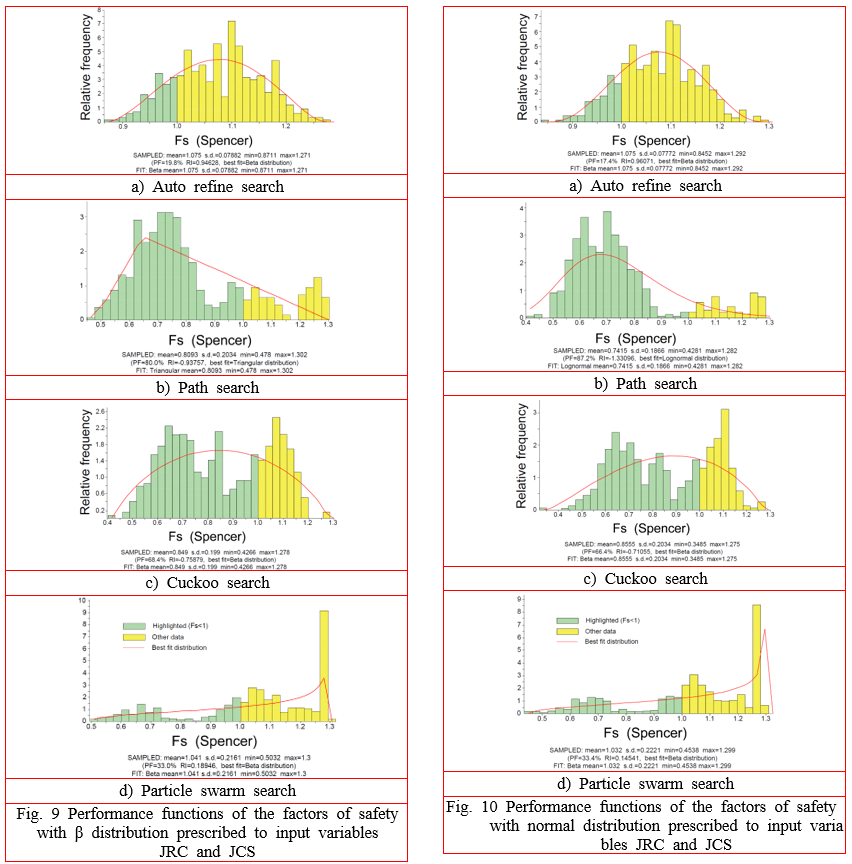
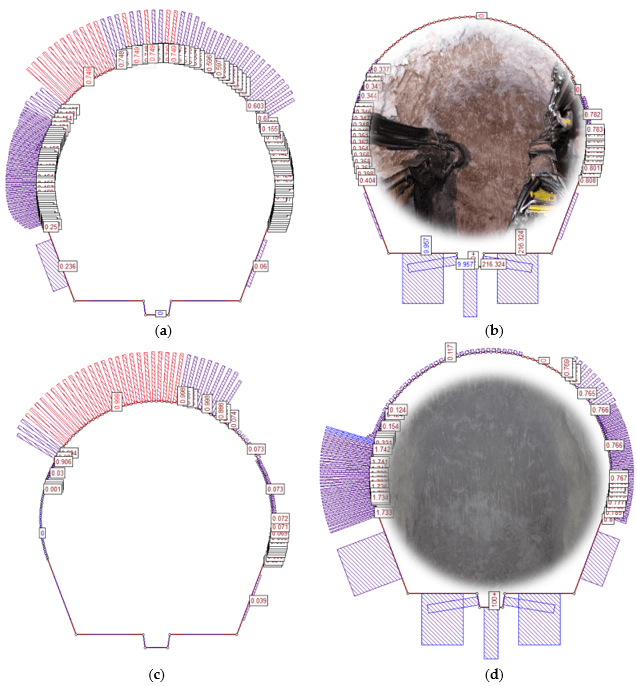
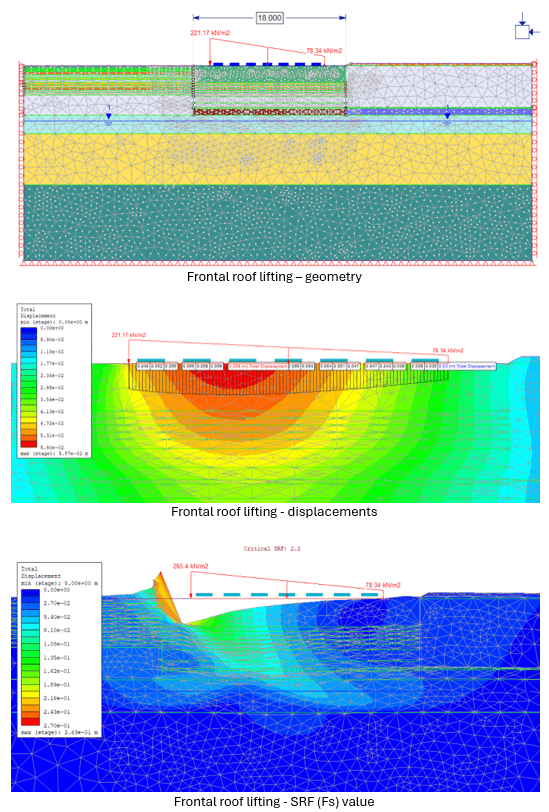
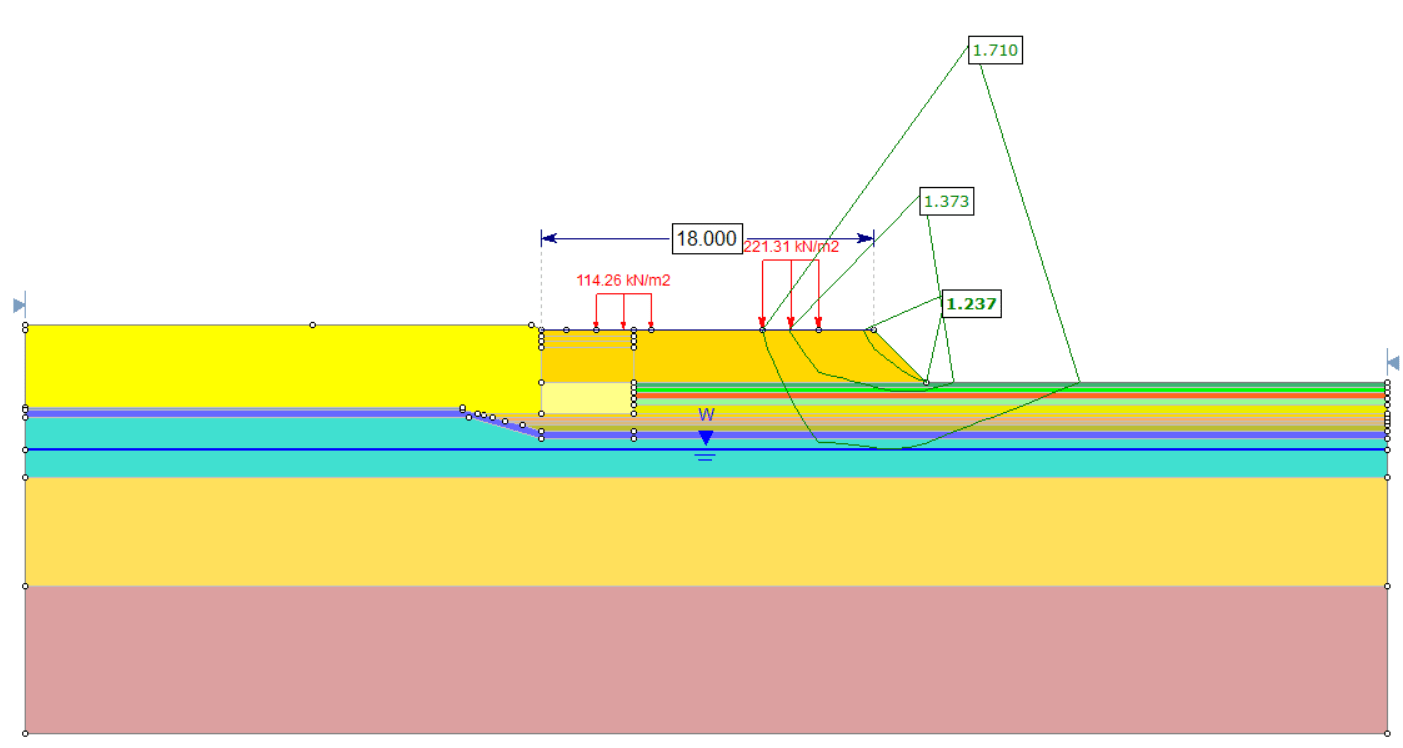
2D and 3D numerical modeling in soil and rock mass (analytical and numerical procedures - continuous and discontinuous approach)

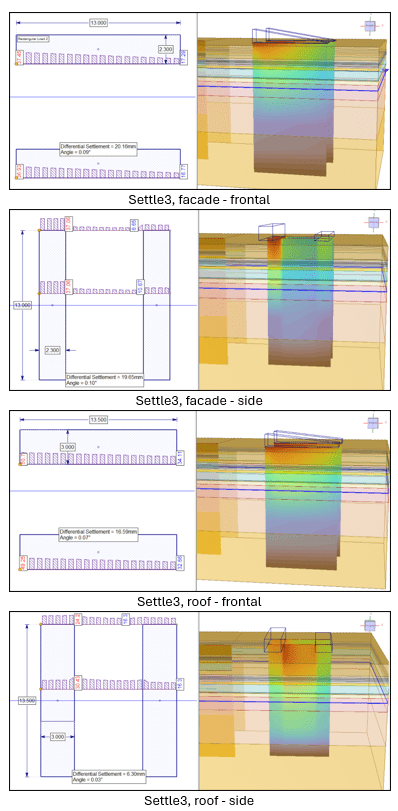
Analyses of ultimate and serviceability limit states for:

  • Underground structures (road and railway tunnels, mining excavations, galleries, shafts)
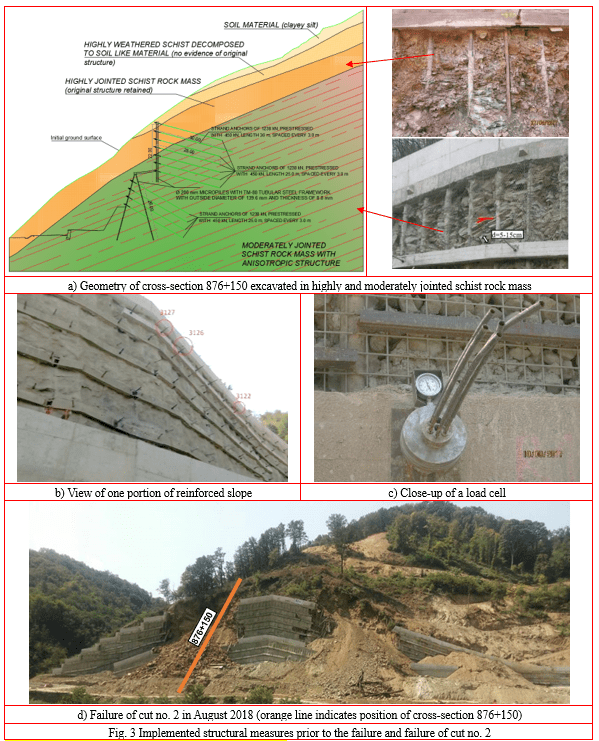
  • Open-pit mines and slopes within infrastructure projects (5–500 m in height)
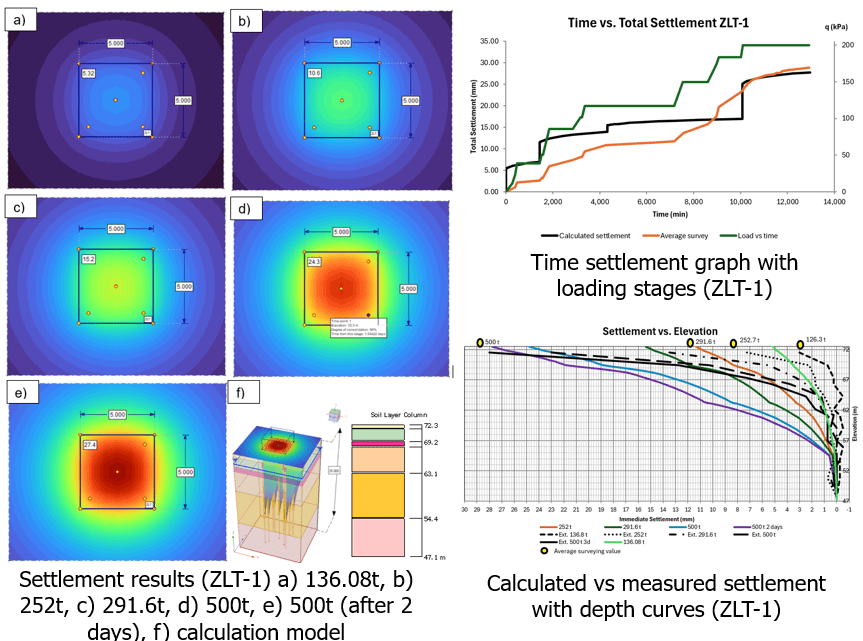
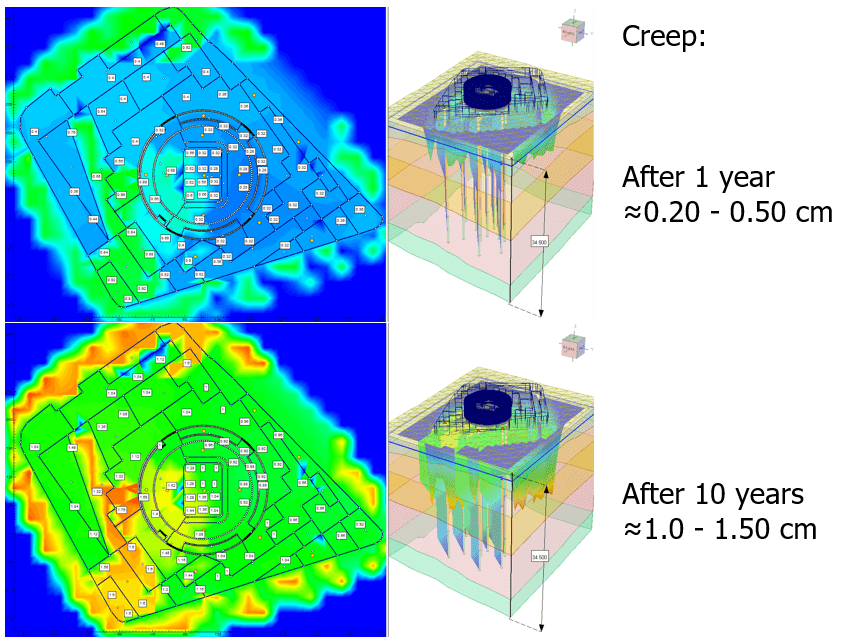
  • Foundations

What do you get as a result?

The results of our analyses are presented as clear, actionable project recommendations for:

  • dimensioning of structures, anchors, retaining structures and other protective measures
  • defining permissible excavation stages and construction sequence
  • additional investigations where risks exceed the reliability of available data
  • assessment of residual risks with proposed mitigation measures

This approach ensures that techno-economic decisions are based on realistic calculations rather than assumptions.

Analyses are performed in accordance with Eurocode 7 and relevant regulations, using advanced software tools and, where necessary, verifying results through multiple methods to ensure reliability.